





EU Baseline Preparedness Requirements must recognise the role of Private Security
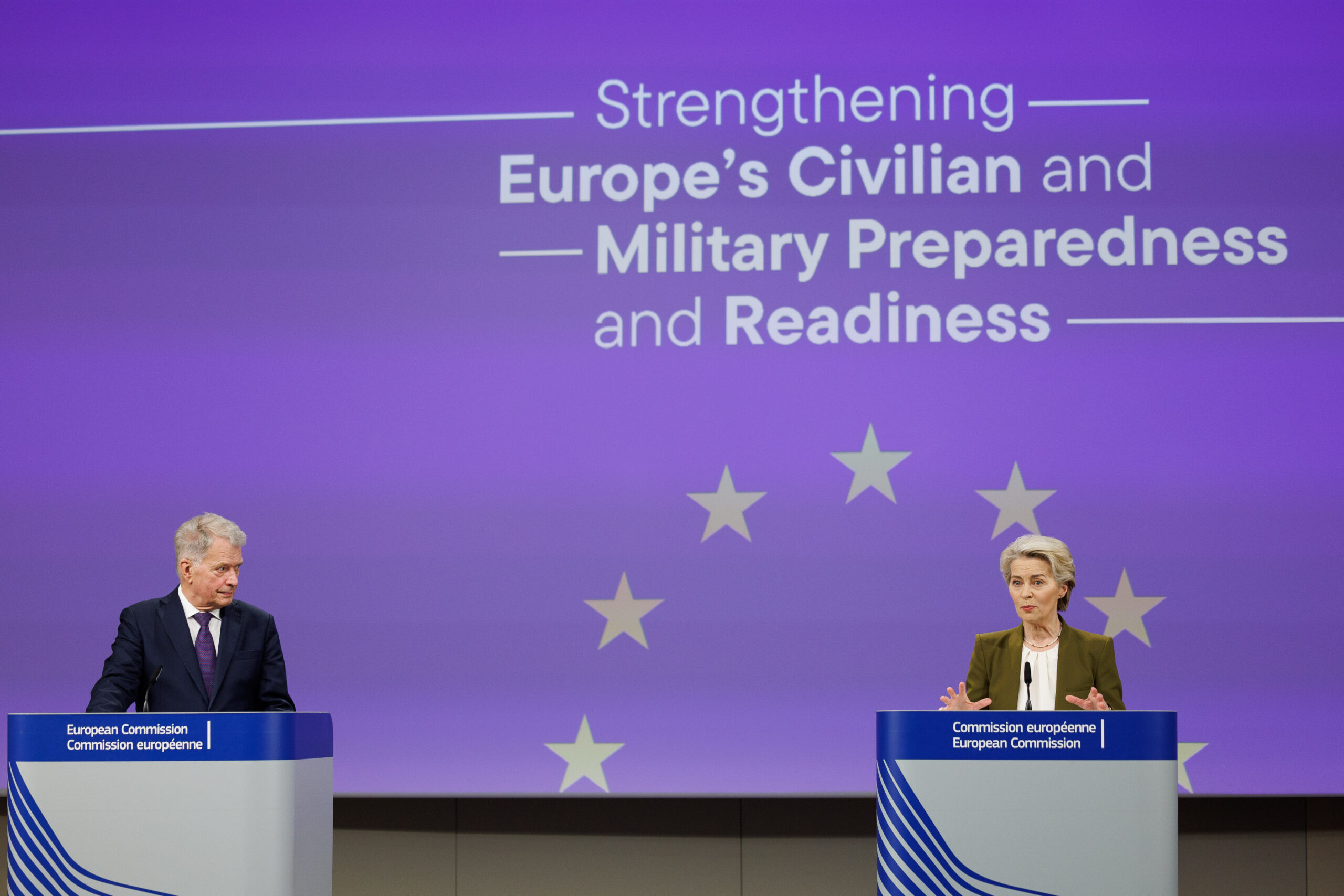
Europe’s preparedness depends on the ability to keep critical infrastructure, essential services and public spaces functioning during crises. Private security companies are already present on the ground every day, protecting airports, ports, energy sites, public spaces and supply chains. They operate Monitoring and Alarm Receiving Centres, support alarm response services, secure cash services and help maintain continuity in key parts of the economy. This makes private security an essential partner in Europe’s whole-of-society approach to preparedness. If security services cannot continue during a crisis, many other essential functions become more vulnerable. As the European Commission prepares EU Baseline Preparedness Requirements for Member States, CoESS therefore calls for the role and needs of the private security industry to be fully recognised.
In its contribution to the European Commission, CoESS puts forward five recommendations to strengthen Europe’s crisis readiness. Member States should work with sectoral Social Partners to ensure the availability, readiness and rapid mobilisation of private security personnel during public emergencies, heightened alert or wartime. This requires workforce risk assessments, surge capacity planning and crisis-relevant training, so that critical infrastructure and essential services remain protected under all circumstances.
CoESS also stresses that preparedness expectations for private operators must be matched by clear cooperation frameworks and appropriate public support. Investments in specialised training, staffing arrangements, business continuity planning and resilient technologies should be reflected in public funding, contracts or other support mechanisms where they contribute to public preparedness objectives. In addition, Member States should establish an operational status for essential security services, ensuring access to fuel, electricity, telecommunications, protective equipment and other critical resources during crises.
Security personnel carrying out essential functions should also benefit from appropriate legal protection, especially when protecting critical infrastructure, transport and logistics hubs, public spaces or other essential services under emergency protocols. Finally, CoESS calls for private security to be integrated into crisis planning, early-warning systems, joint training, secure information-sharing and public-private crisis communication structures. These arrangements must be built in peacetime, so that public authorities and private security operators can react faster and more effectively when crises occur.
The full paper can be found here.